 NRCS · Public domain
also Sand ricegrass
Indian ricegrass
Achnatherum hymenoides
- Family:
- Poaceae
- Elevation:
- 2,000 ft – 7,500 ft
- Bloom:
- May – Jul
- Region:
- Southwest
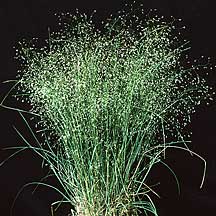
A delicate cool-season bunchgrass whose airy, wide-spreading flower panicles float above fine, threadlike leaves like a shimmering haze. Its plump, nutritious seeds were a staple food for Southwestern peoples and remain prized winter forage.
Care · tuned to the Southwest
Water
Extremely drought tolerant once established; needs little to no supplemental water and resents summer irrigation.
Sun & exposure
Full sun.
Soil
Demands sharp drainage; thrives in deep sandy, gravelly, or rocky soils and tolerates mild alkalinity.
In the Southwest
Cool-season grower that greens up and flowers in spring, then goes dormant and tan through the hot summer; cut back old growth in late winter and let it reseed to persist.
Common problems & fixes
Summer dormancy mistaken for death
Fix — The tan, dormant clumps are alive; leave them and expect fresh growth with cool fall and spring weather.
Rot and decline with overwatering
Fix — Withhold summer irrigation and ensure fast-draining sandy soil to prevent crown rot.
Pets & toxicity
Non-toxic to dogs and cats.
Easy to confuse with
- Sand dropseed (Sporobolus cryptandrus) — coarser, with a partly sheathed seed head
- Alkali sacaton (Sporobolus airoides) — larger tussock with a finer-seeded panicle
Sources
Think you're looking at one?
Snap a photo and we'll rank the candidates against the local flora — honestly, and for free.
Identify a plant